Feeling cramped in a home that once fit just right? If your Gainesville house no longer matches your daily routine, you are not alone. The good news is that a move-up decision does not have to be based on guesswork. With the right look at your equity, budget, and timing, you can decide whether trading up makes sense in today’s market. Let’s dive in.
Why Gainesville Owners Revisit Their Space
Gainesville is a market where many owners stay put and build long-term value. Census data shows an 83.5% owner-occupied housing rate in Gainesville, along with a median value of owner-occupied homes at $712,600 and a median household income of $174,410. That points to a community with many established homeowners weighing how their next move fits their lifestyle and finances.
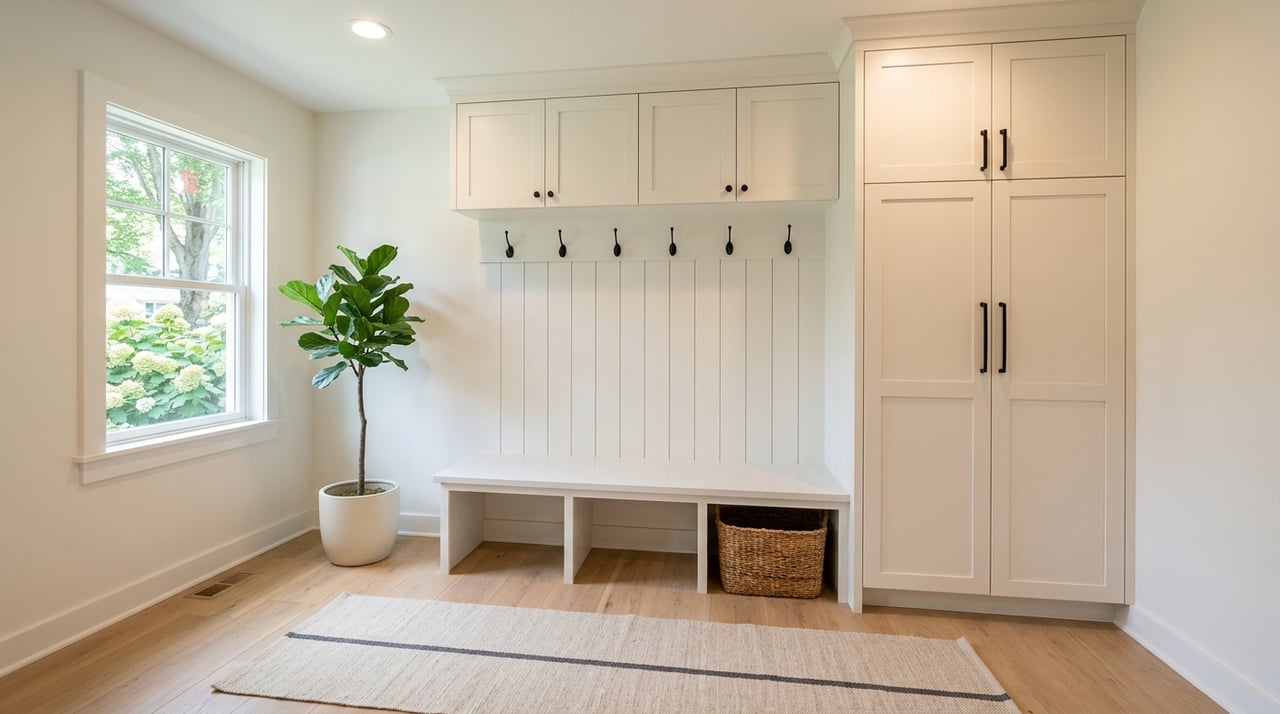
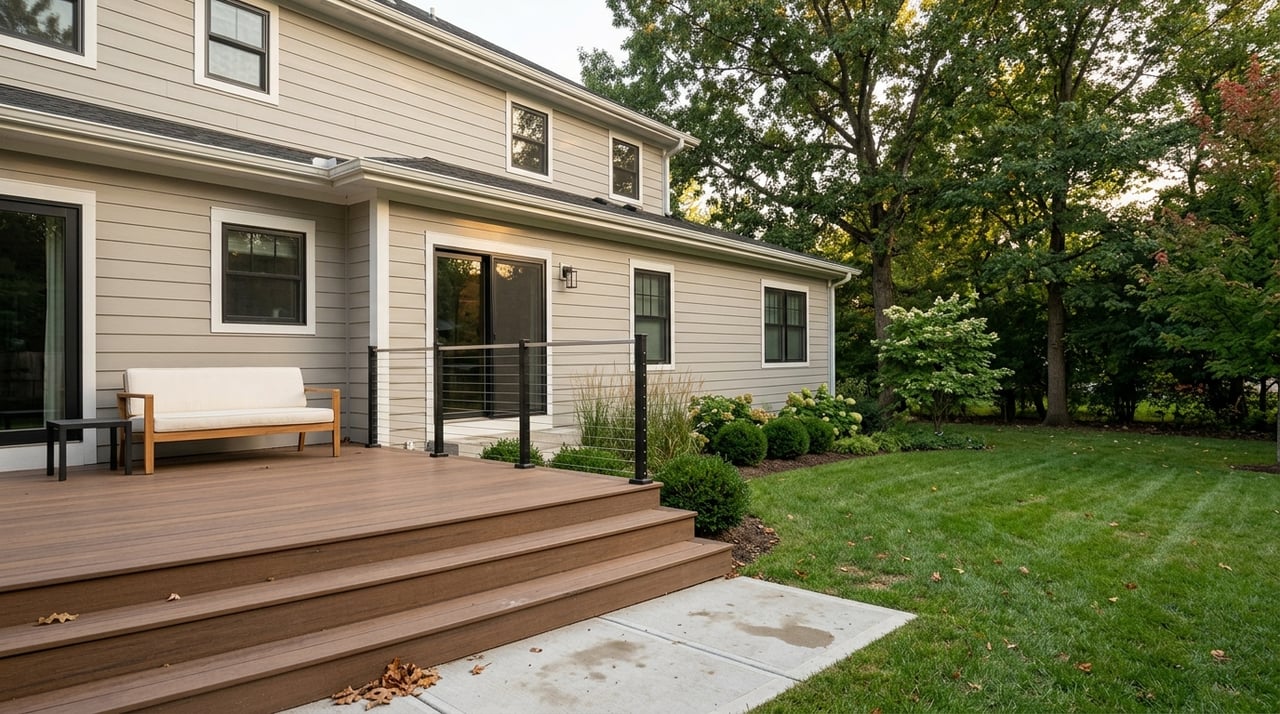
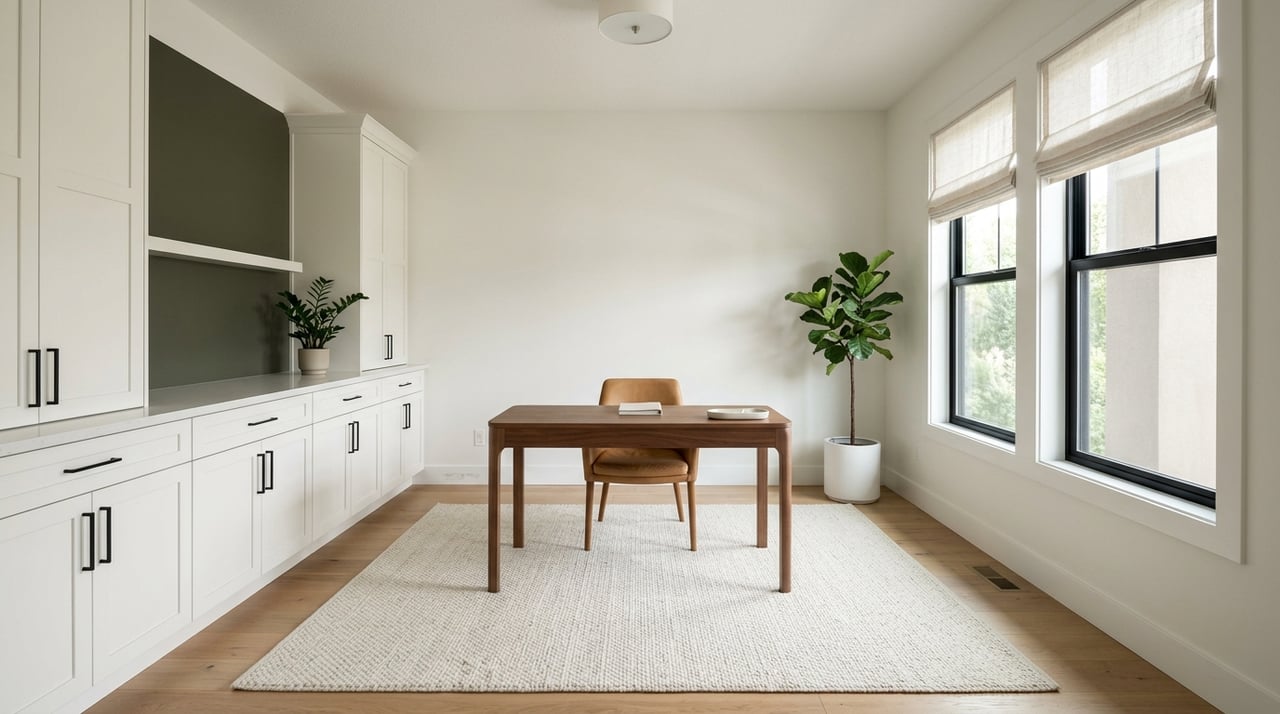
Your home may still be a great asset, even if it no longer works for how you live. Gainesville’s average household size is 3.05 people, and 27.0% of residents are under 18. If you need another bedroom, more storage, a home office, or better outdoor space, those are real signs that your current layout may be falling behind your needs.
Signs It May Be Time to Move Up
A move-up home is usually about function first. You may want more room, a different layout, or features that support the way your household lives now.
Here are a few common signs it may be time:
- Your current floor plan feels tight day to day
- You need dedicated office, guest, or flex space
- Storage is no longer enough
- Outdoor space matters more than it used to
- You have built equity and want to put it to work
- Your income and monthly budget can support a larger purchase
Just because your home feels small does not automatically mean you should move. The key is making sure your lifestyle goals, equity position, and payment comfort all line up.
What the Gainesville Market Suggests
The local market is still active, which matters if you are planning to sell and buy around the same time. Zillow reported an average Gainesville home value of $769,456, a median sale price of $731,000, a median list price of $742,483, and homes going pending in around 5 days as of April 30, 2026. The sale-to-list ratio of 0.996 suggests sellers are often getting very close to asking price.
Regional inventory also remains tight. PWAR reported 588 active listings across Prince William County, Manassas, and Manassas Park in February 2026, with 1.2 months of supply, which it said remains below a balanced market. NVAR also reported stronger sales activity in March 2026 even as inventory stayed constrained.
For you, that can cut both ways. A well-prepared listing may attract strong interest, but your next home may also face competition.
How Much Equity Do You Need?
There is no single number that fits every homeowner. What matters is whether your sale can create enough net proceeds to help with your next down payment, closing costs, and moving expenses.
If your Gainesville home has appreciated and you have paid down your mortgage, you may have meaningful equity to roll into your next purchase. Zillow reported Gainesville home values up 1.1% year over year, which may support that conversation. Still, usable equity is not the same as your estimated market value.
To estimate your real buying power, you need to subtract:
- Your remaining mortgage payoff
- Seller closing costs and transaction charges
- Any prep costs before listing
- Moving expenses
- The down payment and closing costs for your next home
Closing costs typically run about 2% to 5% of the purchase price. In Prince William County, transaction charges can also affect your net proceeds. The county’s land-records information lists a state tax of $0.25 per $100, a local tax equal to one-third of the state tax, a grantor tax of $0.50 per $500, and a regional congestion relief fee of $0.10 per $100 on recordation.
That is why a move-up plan should begin with a realistic estimate, not a rough online guess. Knowing your net proceeds helps you shop with confidence and avoid stretching your budget.
Can the Next Payment Still Feel Comfortable?
This is one of the biggest questions in any move-up decision. Even if you have strong equity, the next monthly payment still needs to fit your life.
Freddie Mac reported a 30-year fixed average of 6.53% on May 28, 2026. That means rate sensitivity matters. A larger home can bring a higher mortgage payment, but it can also come with higher taxes, insurance, utilities, maintenance, and possibly HOA dues.
When you run the numbers, include:
- Principal and interest
- Property taxes
- Homeowners insurance
- HOA dues, if applicable
- Utilities
- Maintenance and repairs
- Closing costs
- Moving costs
Prince William County’s FY2027 real estate tax rate was reduced from $0.906 to $0.865 per $100 of assessed value, lowering the average residential tax bill by $56. That is helpful, but it should still be only one part of your full monthly cost picture.
Should You Sell Before You Shop?
In many cases, yes. The CFPB notes that when you want to move, you normally try to sell your current home first before buying another one. For move-up buyers, that approach can create more financial clarity.
Selling first can help you:
- Know your true net proceeds
- Set a realistic budget for the next purchase
- Avoid carrying two housing payments at once
- Strengthen your confidence when making an offer
That said, every household has different timing needs. If you need more flexibility, your plan should be built around your finances, your risk tolerance, and current local inventory.
What If You Find the Next Home First?
This is where strategy matters. In a market where homes can move quickly, you may find the right property before your current home sells.
If that happens, the main question is whether you can safely handle the overlap. Some owners can manage a short period of double payments or temporary housing. Others prefer not to take that risk.
The best first step is to map out your likely sale timeline, estimated proceeds, and purchase budget before you start touring seriously. Reviewing local inventory, recent sales, and how quickly homes are moving can help you judge whether you may need more time to find the right home.
How to Avoid Moving Twice
No one loves the idea of packing, unpacking, and doing it all over again. While there is no perfect formula for every move-up situation, planning ahead can reduce the odds of a double move.
A smoother plan usually includes:
- Preparing your current home early
- Getting a clear home value estimate
- Understanding your likely net proceeds
- Watching local inventory before you list
- Building a realistic purchase timeline
- Coordinating contract and closing dates carefully
This is also where organized seller preparation can make a big difference. If your home shows well from day one, it may help you attract stronger interest faster. Staging guidance, professional photography, and a clear list strategy can all support better timing when you are trying to coordinate two transactions.
Protect Yourself During the Purchase
When you are buying your next home, contract terms matter just as much as price. The CFPB recommends financing and inspection contingencies so you are not locked into a purchase if the loan falls through or serious defects are found.
At closing, it also helps to review your documents carefully in advance. A move-up purchase often comes with more moving parts because you are balancing proceeds from one home with obligations on the next. A structured, well-managed process can reduce surprises late in the transaction.
A Practical Move-Up Checklist
If you are wondering whether now is the right time, start here:
- Identify what is no longer working in your current home
- Estimate your home’s likely market value
- Calculate your mortgage payoff and likely net proceeds
- Build a full monthly budget for the next home
- Factor in closing costs, taxes, and moving expenses
- Review current Gainesville inventory and pace of sales
- Decide how much timing risk you are comfortable with
- Create a prep plan for listing your current home
A move-up decision works best when it is treated like a project, not a rush. The more clarity you have up front, the easier it becomes to make a confident choice.
If you are thinking about moving up in Gainesville, the local data supports a serious conversation when your space needs, equity, and budget all align. The market remains active and somewhat seller-friendly, but timing, affordability, and coordination still matter. If you want a clear plan for selling, buying, and reducing the stress in between, Amber Castles can help you map out the next step with strategy and steady guidance.
FAQs
How do I know if I have enough equity to move up in Gainesville?
- You likely need enough equity to cover your mortgage payoff, selling costs, moving expenses, and at least part of the down payment and closing costs on your next home.
Should I sell my Gainesville home before buying another one?
- In many cases, selling first gives you a clearer budget and helps reduce the risk of carrying two housing payments at once.
What if I find a new home before my current Gainesville home sells?
- You will need to evaluate whether you can safely manage the overlap in timing, costs, and payment obligations before moving forward.
How fast are homes selling in Gainesville right now?
- Zillow reported homes going pending in around 5 days in Gainesville as of April 30, 2026, which suggests an active market.
What costs should I include before moving up in Prince William County?
- You should account for mortgage costs, taxes, insurance, HOA dues if applicable, maintenance, utilities, closing costs, transaction charges, and moving expenses.