If you want small-town character without feeling cut off from Northern Virginia, Warrenton is worth a close look. You may be trying to balance commute options, everyday convenience, housing choices, and the kind of setting that feels comfortable long term. The good news is that Warrenton offers a historic town center, a strong single-family housing presence, and practical regional access that appeals to both locals and relocators. Let’s dive in.
Why Warrenton stands out
Warrenton is the county seat of Fauquier County, and its roots go back to a crossroads settlement that later became an incorporated town in 1810. Today, the town reports an estimated 2024 population of 10,224, and it sits about 45 miles southwest of Washington, D.C., according to the Town of Warrenton community profile.
What makes Warrenton distinct is the mix of settings you get in one place. The town describes itself as a Piedmont community with the Blue Ridge Mountains as a backdrop, with shopping, vineyards, and horse country nearby on its Our Town page. In practical terms, that means you get a walkable historic core, a rural edge, and access to larger job centers in the region.
Old Town shapes daily life
Old Town is the heart of Warrenton, both visually and functionally. The Warrenton Historic District includes the central business district and five surrounding residential neighborhoods, with a wide range of building types and architectural styles.
This area is not just preserved for appearance. The Old Courthouse still houses the General District Court, which helps keep the historic center active as part of daily civic life. If you enjoy a town center that feels lived in rather than staged, that is one of Warrenton’s biggest draws.
The downtown area also gives residents a regular local rhythm. The town highlights Old Town as a key attraction, and the seasonal farmers market at Lee and Ashby Streets adds another reason to spend time there on Saturdays.
Housing in Warrenton
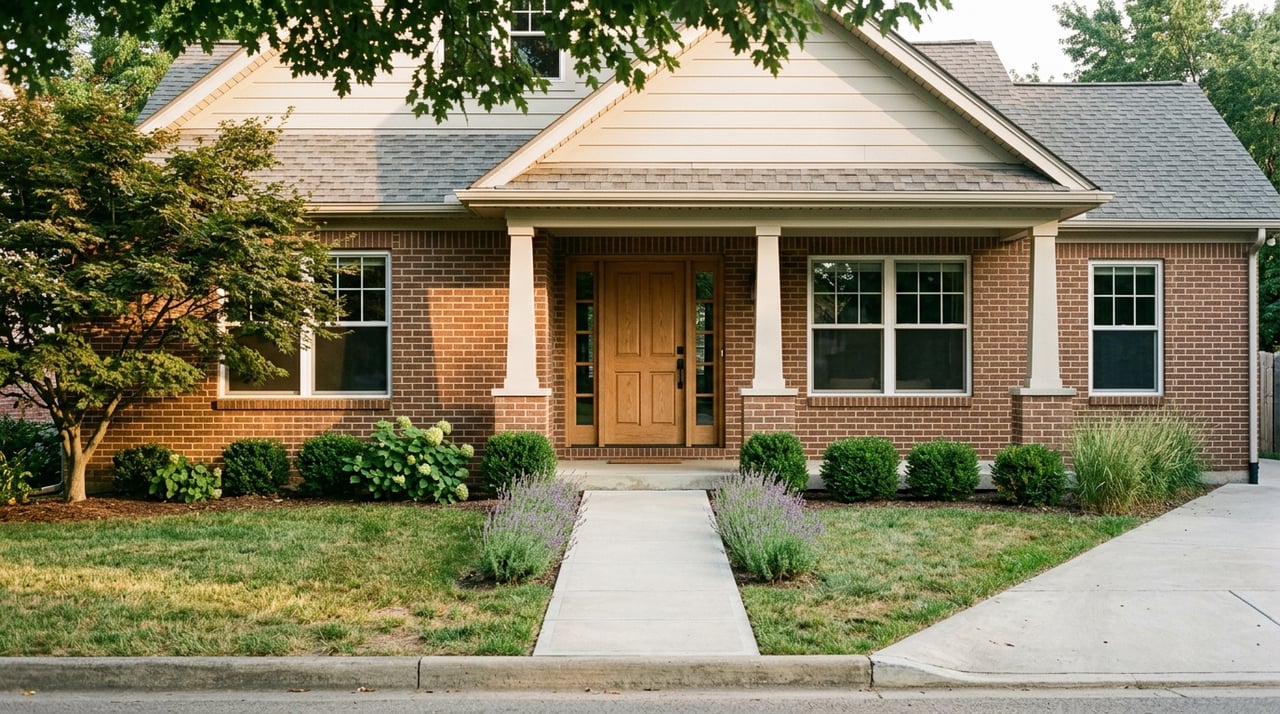
If you are wondering what types of homes are most common, the answer is mostly single-family housing. Warrenton’s 2040 housing background says single-family detached and attached homes make up 75.3% of the town’s housing inventory, and it describes the typical home as an owner-occupied single-family property.
That housing profile helps explain the feel of many established areas around town. You will find a housing mix, but the market still leans toward homes with more traditional neighborhood patterns rather than a dense urban format.
Current U.S. Census QuickFacts for Warrenton show a 63.0% owner-occupied housing rate, a median owner-occupied home value of $478,300, and a median gross rent of $1,418. The same source reports a 90.7% same-house-year-to-year rate, which points to a relatively stable residential pattern.
What the housing numbers suggest
For buyers, Warrenton may offer a useful middle ground if you want access to Northern Virginia but prefer a smaller-town setting. For sellers, the area’s stable residential pattern can be a positive sign when positioning a home for the market.
It is also helpful to understand how the town has grown. Warrenton’s housing plan notes that more than 1,000 single-family homes were built between 2000 and 2010, while construction slowed after 2012. That means a good share of the housing stock may fall into established-home categories rather than brand-new construction.
If you are considering a property near Old Town, keep in mind that historic district guidelines can influence exterior changes. The town notes that preservation rules shape updates in that area, including standards for some roofing materials.
Amenities support everyday convenience
One reason people like living in Warrenton is that daily essentials and recreation are built into the town itself. Warrenton describes itself as the gateway to the Piedmont region and the center of commerce for Fauquier County, with Old Town surrounded by commercial corridors and local destinations.
For recreation, the Warrenton Aquatic & Recreation Facility is a major community asset. The facility includes an indoor competition pool, leisure pool, fitness room, seven playing fields, paved hiking paths, a skate park, and the Claude Moore Fun For All Playground.
The Warrenton Branch Greenway also adds to the appeal for people who want outdoor access close to town. It is a 2.2-mile ADA-accessible trail and was designated a National Recreation Trail in 2012.
Public services are also easy to locate in and around town. Fauquier County notes that the Warrenton Central Library is at 11 Winchester Street, district offices for Fauquier County Public Schools are in Warrenton, and Fauquier High School serves grades 9 through 12 just outside town limits.
Commuting from Warrenton
A big question for many buyers is whether Warrenton works as a commuter location. The short answer is yes, especially if you are comfortable with a road-based commute and want a smaller-town home base.
According to Fauquier County directions, common routes from Washington, D.C. and Northern Virginia use Route 66 West to Route 29 South. Route 17 and Route 211 also help connect the town to surrounding areas.
For commuters heading toward the Washington area, Fauquier County also says the Warrenton park-and-ride at U.S. 29 and Colonial Road is served by commuter bus service to Washington, D.C. Within town, the Virginia Regional Transit Circuit Rider provides weekday and Saturday service for a $0.50 fare each way.
That does not make Warrenton an urban transit hub, but it does give you more than one way to get around. Census data puts the mean travel time to work at 30.3 minutes, which helps frame what local commuting looks like in practice.
Who may enjoy living here
Warrenton can appeal to several types of buyers and movers. If you want historic character, local businesses, and a civic center that still feels active, Old Town can be especially attractive.
If you are relocating and want a base with regional access, the town’s location about 45 miles from Washington can make it easier to stay connected to Northern Virginia and D.C.-area employment centers. If your priority is a home that feels less urban and more rooted in a traditional town setting, Warrenton offers that balance better than many busier corridors.
For homeowners thinking ahead, the area may also be appealing if you value stability, local recreation, and a housing stock that leans heavily toward single-family homes. As always, the right fit depends on your budget, commute needs, and preferred home style.
What to weigh before moving
Like any move, living in Warrenton comes with tradeoffs. It helps to think about your priorities before you start touring homes.
Here are a few practical questions to ask yourself:
- Do you want a historic downtown atmosphere or a more conventional neighborhood setting?
- Are you comfortable with a commute that is mostly car-based?
- Is access to trails, recreation facilities, and local events important to your lifestyle?
- Are you open to older housing stock, especially in established parts of town?
- If considering Old Town, are you comfortable with historic district guidelines that may affect property updates?
Answering those questions can help you narrow your search and focus on the parts of Warrenton that fit your goals best.
Planning your move to Warrenton
If you are buying in Warrenton, preparation matters. You will want to compare home styles, understand commute patterns, and look closely at how different parts of town support your day-to-day routine.
If you are selling before making a move, a clear plan matters just as much. Timing, pricing, home prep, staging, and marketing all affect how smoothly your next step comes together, especially if you are coordinating two transactions at once.
That is where organized guidance can make a real difference. Whether you are relocating from another Northern Virginia area or moving into Warrenton for the first time, having a steady process helps you move forward with more confidence.
If you are thinking about buying or selling in Warrenton or nearby Northern Virginia communities, Amber Castles offers clear, hands-on guidance to help you plan your next move with confidence.
FAQs
How far is Warrenton, VA from Washington, D.C.?
- Warrenton is about 45 miles southwest of Washington, D.C., according to the Town of Warrenton.
What types of homes are common in Warrenton, VA?
- Single-family detached and attached homes make up 75.3% of Warrenton’s housing inventory, so single-family homes are the most common housing type.
What is there to do when living in Warrenton, VA?
- Popular local anchors include Old Town, the seasonal farmers market, the Warrenton Aquatic & Recreation Facility, the Warrenton Branch Greenway, and nearby Piedmont countryside attractions.
Is Warrenton, VA a good option for commuters?
- Warrenton offers practical commuter access through major road connections, a park-and-ride with commuter bus service to Washington, D.C., and local Circuit Rider bus service within town.
What is the general feel of living in Warrenton, VA?
- Warrenton offers a mix of historic small-town character, established residential areas, local amenities, and regional access to Northern Virginia and Washington-area job centers.