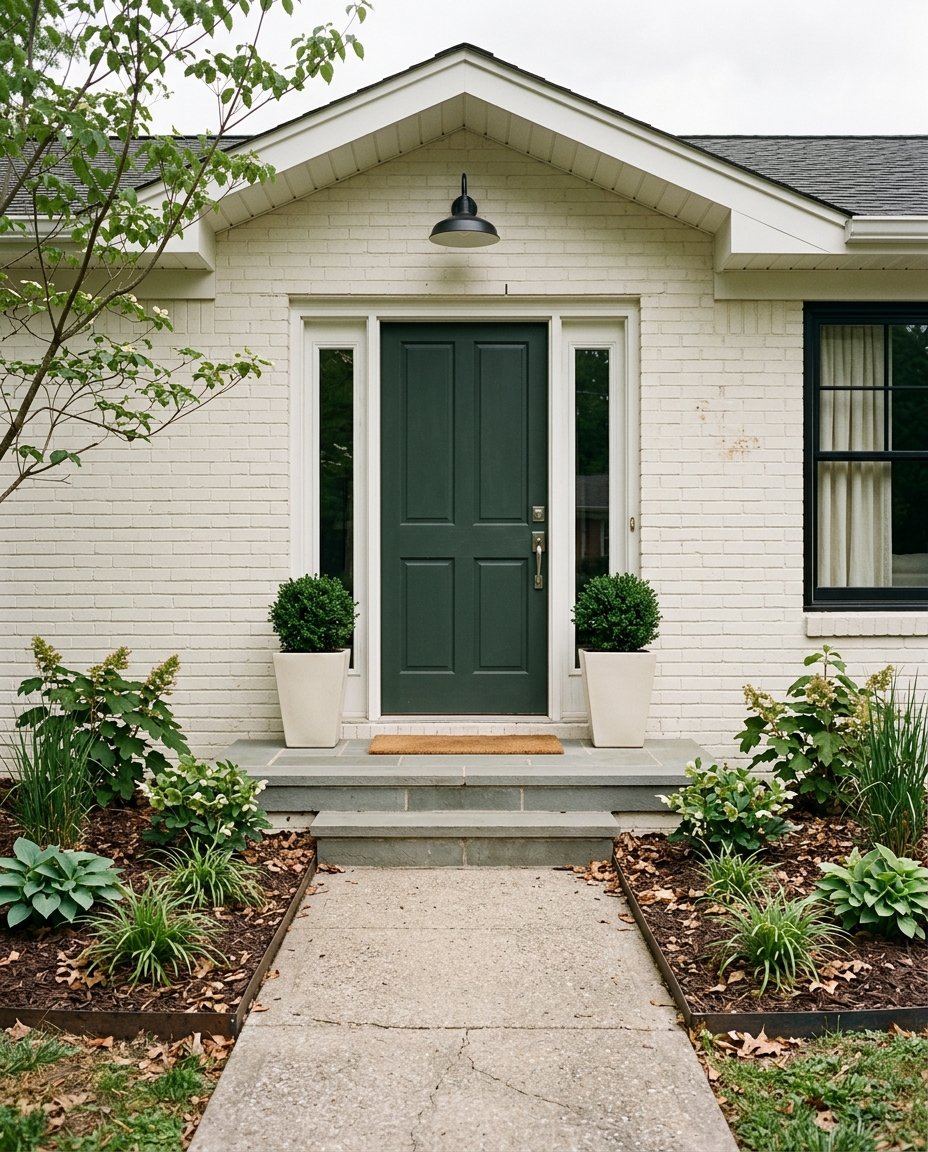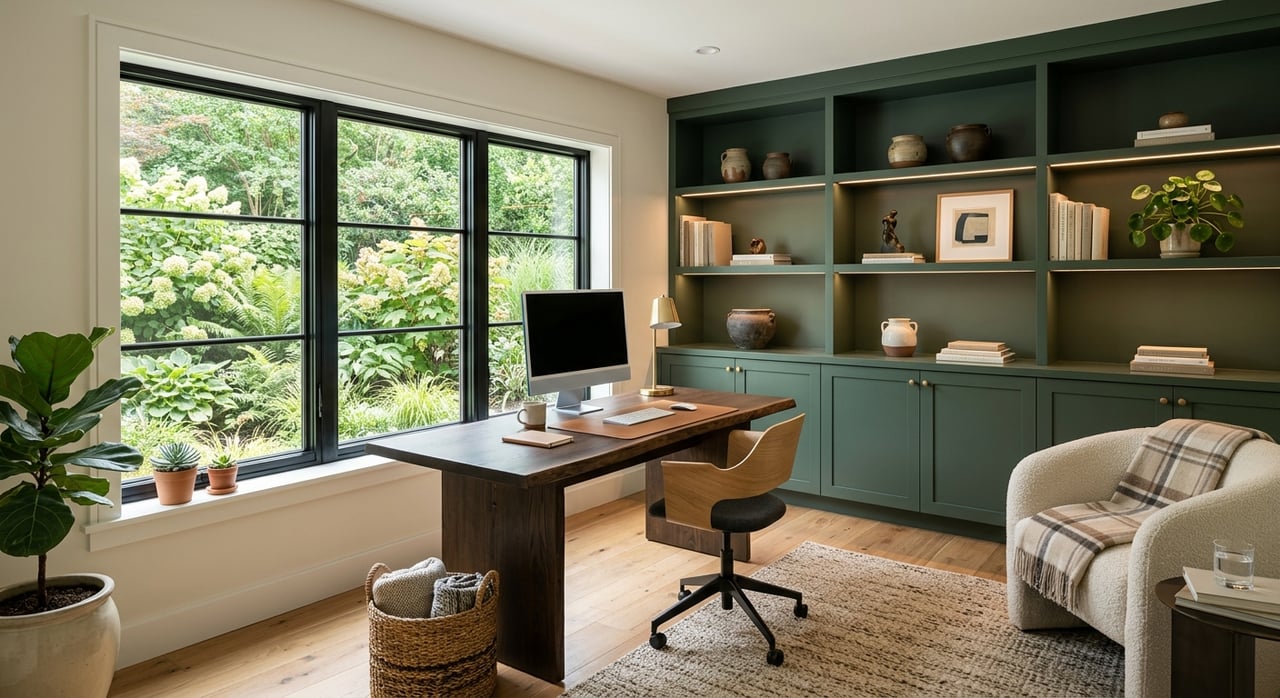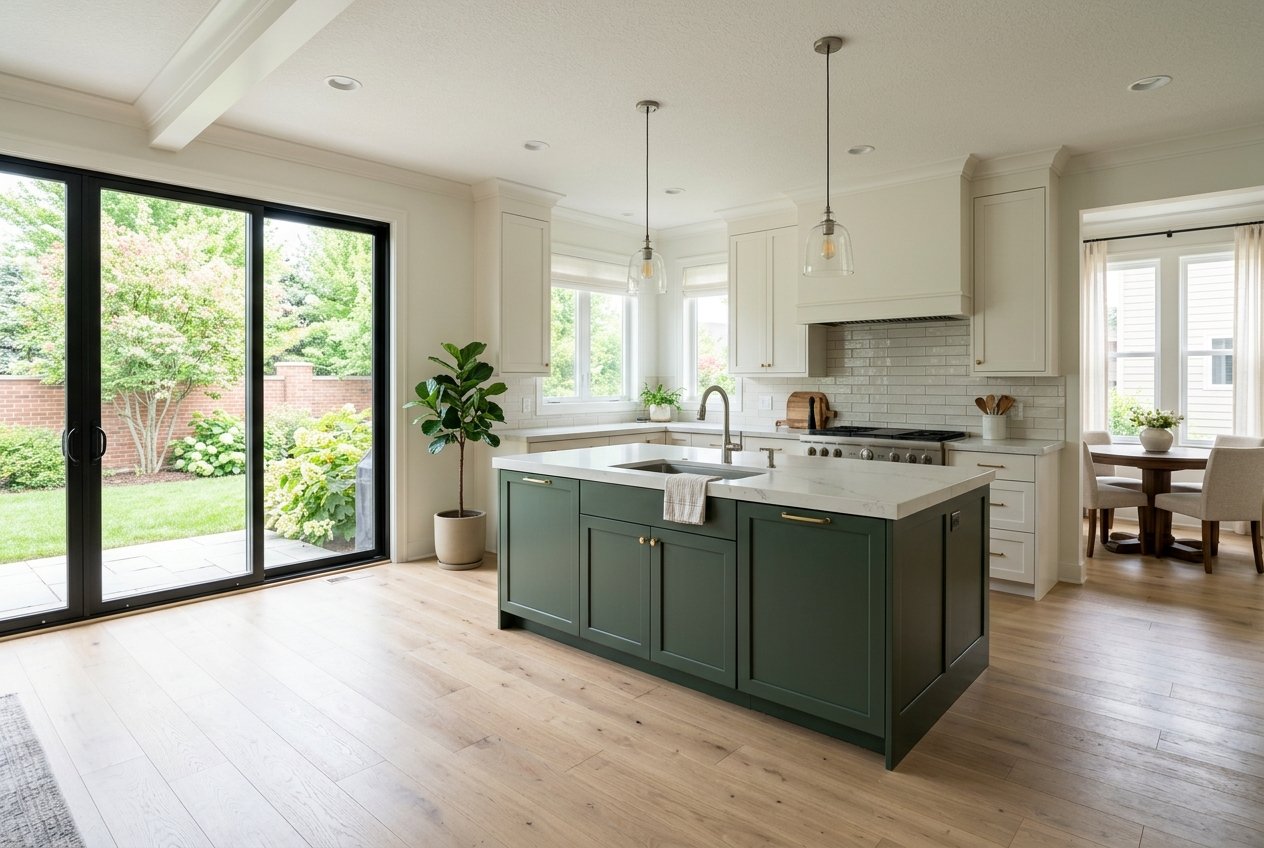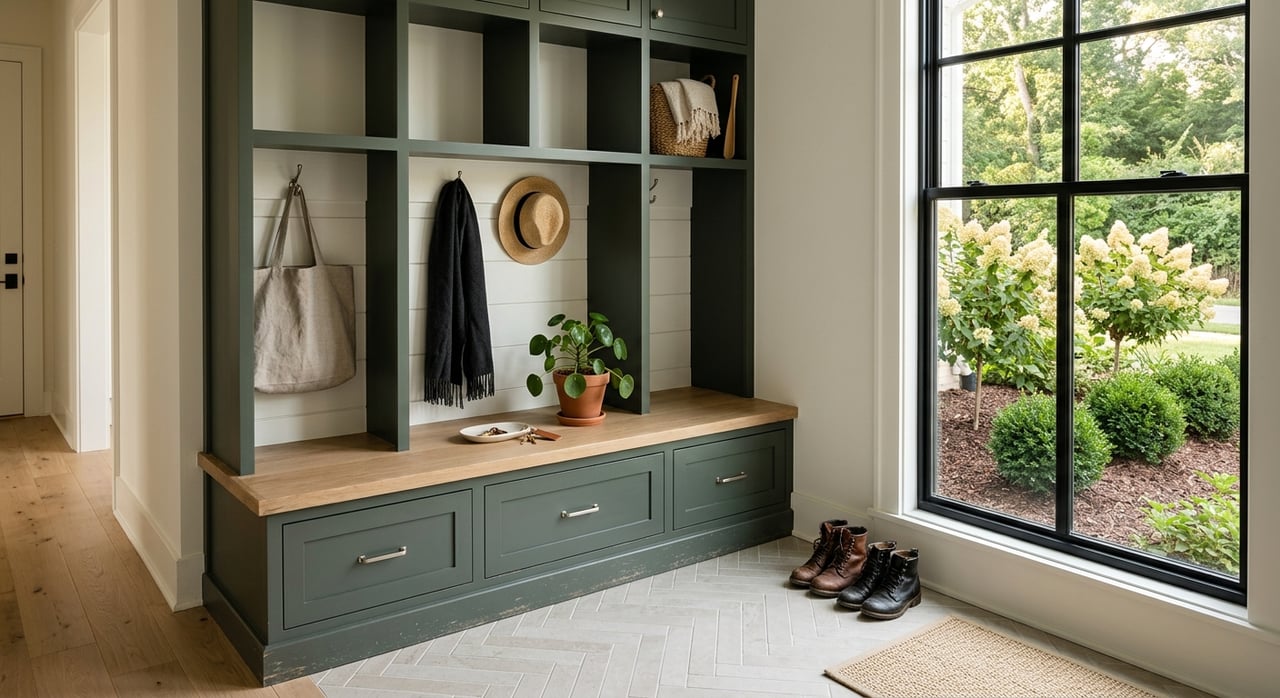
Thinking about buying a new construction home in Gainesville, VA? It can be exciting to picture a brand-new kitchen, modern layout, and the chance to personalize finishes, but it also comes with a different process than buying a resale home. If you want to know how timelines, deposits, inspections, warranties, and design choices usually work, this guide will help you feel more prepared and confident. Let’s dive in.
Why Gainesville draws new-home buyers
Gainesville offers a well-established Northern Virginia market with a strong ownership base. According to Census QuickFacts, the population was 18,112 in 2020, the owner-occupied housing rate was 83.5 percent, and the median owner-occupied home value was $712,600 in the 2020-2024 ACS.
For many buyers, new construction is appealing because it offers a fresh start and a more modern living experience. Buyers are often drawn to open layouts, energy efficiency, builder warranties, and the ability to choose items like appliances, flooring, and paint colors.
What makes new construction different
When you buy a resale home, you are evaluating a finished property with a known condition and a shorter closing timeline. With new construction, you may be buying a home that is complete, under construction, or not yet built.
That difference affects almost everything, including contract terms, builder deposits, design deadlines, and move-in timing. It also means you need to understand both the builder’s process and the local approval process in Prince William County.
Start with budget and preapproval
Before you visit model homes, it helps to get clear on what you want to spend. The Consumer Financial Protection Bureau recommends contacting multiple lenders, getting preapproval, and staying close to a realistic budget as pricing, down payment needs, and closing cost estimates can change.
This matters even more with new construction because upgrades can add up quickly. A base price may not reflect lot premiums, design-center selections, or optional features that affect your final number.
Ask detailed financing questions early
Some builders may encourage you to use a preferred lender, but you are not required to do that. Shopping multiple lenders can help you compare rates, fees, and loan terms with more confidence.
You should also ask whether your offer is contingent on financing. CFPB notes that purchase offers and sales contracts are strongest for buyers when they include financing and satisfactory inspection contingencies.
Expect a builder deposit
If the home is not yet built, a builder may ask for an upfront deposit, sometimes called earnest money. This is common, but you should ask exactly how much is due, when additional deposits may be required, and under what conditions money can be returned.
That conversation matters because builder contracts are not all the same. Clear expectations at the start can help you avoid surprises later if timelines shift or financing changes.
Understand the county building process
In Gainesville, new homes go through Prince William County’s permitting and inspection system. The county states that plan reviews can run at the same time, but all approvals must be completed before a building permit is issued.
After that, the home goes through staged inspections during construction. Once inspections are complete and fees are paid, the home can receive a final occupancy permit.
Why timelines can vary
Because county approvals and inspections are part of the process, construction timelines are not always fixed. Weather, scheduling, materials, and inspection timing can all affect when a home is ready.
That is why it helps to treat projected completion dates as estimates, especially if you are coordinating a current lease, a home sale, or a relocation into Northern Virginia.
Plan for design-center decisions
One of the biggest benefits of new construction is personalization. Buyers often have the chance to choose appliances, flooring, paint colors, and other design details.
This part is fun, but it also requires discipline. It is easy to focus only on cosmetic upgrades and lose track of your overall budget.
Prioritize upgrades with long-term value
A practical approach is to separate your choices into categories:
- Structural or hard-to-change items
- Comfort and efficiency features
- Cosmetic finishes
Energy and water performance can be part of that conversation. EPA states that ENERGY STAR certified new homes are independently verified and exceed minimum energy code requirements by at least 10 percent, with checks for insulation, windows, air sealing, and HVAC performance. EPA also says WaterSense labeled homes are 30 percent more water-efficient than typical new construction.
If you plan to stay in the home for years, these features may matter just as much as the look of a backsplash or cabinet color.
Review the contract carefully
Builder contracts can be detailed and very different from a standard resale purchase agreement. This is one of the most important parts of the process because the contract explains timelines, deposits, upgrade terms, completion expectations, and how warranty language works.
In Virginia, contract details matter even more because new-home warranties can only be modified or waived if the language is conspicuous, specific, and formatted according to state law. If all warranties are waived, the contract must clearly state that the home is sold “as is.”
Virginia warranty protections to know
Virginia law provides important protections for buyers of new dwellings. The implied warranty requires the home, to the best of the seller’s actual knowledge, to be free from structural defects and built in a workmanlike manner.
If the seller is in the business of building or selling dwellings, the home must also be fit for habitation. These implied warranties survive transfer of title, generally last one year from transfer or possession, and the foundation warranty lasts five years.
Virginia disclosure rules also apply
Virginia also requires builders of new dwellings to disclose known material defects that would violate applicable building code requirements. For a completed dwelling, that disclosure must be made before ratification.
For a dwelling sold before or during construction, the disclosure is made after the certificate of occupancy is issued. This is another reason to keep your paperwork organized from the beginning.
Inspections still matter
Some buyers assume a new home does not need inspection attention because everything is brand new. In reality, a home still goes through multiple stages, and it is smart to understand what inspections are built into the county process and what inspection rights are included in your contract.
Prince William County requires staged inspections during construction before a final occupancy permit is issued. CFPB also notes that buyers should look for a satisfactory inspection contingency in the contract.
What happens at closing
Closing on a new construction home still involves a formal settlement process. CFPB explains that at closing, you should expect to sign many documents, and the settlement agent collects and disburses money according to the contract and loan.
After closing, ownership documents are recorded. Even if you have bought a home before, new construction closings can feel paperwork-heavy, so it helps to review your figures and final terms carefully in advance.
Think beyond move-in day
A lot of buyers start planning future projects right away, especially for outdoor spaces. In Prince William County, exterior improvements may involve both HOA review and county approval or permits.
The county specifically notes that projects such as decks, additions, garages, fences, pools, roofing, siding, landscaping, and some system changes may require approval. If you already know you want to add something after closing, it is smart to ask questions before you buy rather than treating it as an afterthought.
If a problem comes up later
If a defect appears after closing, start by reviewing your construction contract and warranty documents. VA guidance says buyers should contact the builder directly and keep records of communications and photos.
For buyers using VA-backed financing, VA also reminds borrowers that the guaranty covers the loan, not the condition of the home. Good recordkeeping and a clear paper trail can make the resolution process much smoother.
Where buyer guidance adds value
With new construction, the biggest pressure points are usually contract terms, lender choices, upgrade decisions, and settlement planning. That is where organized guidance can make a real difference.
CFPB advises buyers to work with an agent who understands the area, clarify who the agent represents, shop multiple lenders, and research closing service providers. In a market like Gainesville, having someone who can help you stay structured, ask the right questions, and keep the process moving can reduce stress from contract to closing.
What to expect overall
If you are buying a new construction home in Gainesville, expect more decisions, more paperwork, and more moving parts than a typical resale purchase. You should also expect a process that can be rewarding when you go in with a clear budget, realistic timing, and a strong understanding of the contract.
The goal is not just to fall in love with a model home. It is to make informed choices that support your budget, timeline, and long-term plans.
If you’re exploring new construction in Gainesville and want calm, organized guidance through the details, Amber Castles is here to help you move forward with clarity.
FAQs
What should you budget for when buying new construction in Gainesville, VA?
- You should budget for more than the base price, including possible lot premiums, builder deposits, closing costs, and design-center upgrades.
Do new construction homes in Gainesville, VA still need inspections?
- Yes. New homes go through Prince William County staged inspections, and buyers should also review their contract for inspection-related protections and contingencies.
What warranty protections apply to new homes in Virginia?
- Virginia law provides implied warranty protections on new dwellings, including coverage related to structural defects, workmanlike construction, habitability in certain cases, and a five-year foundation warranty.
Can you use your own lender for a new construction home in Gainesville, VA?
- Yes. You do not have to use the builder’s preferred lender, and comparing multiple lenders can help you evaluate rates, fees, and loan terms.
Do post-closing projects on a Gainesville, VA new home need approval?
- They may. Prince William County says some exterior improvements and system changes may require county permits, zoning approval, or HOA approval depending on the project.